

This is for the small business owners who don’t believe that having HRM is important especially when starting out. “We can’t afford it right now, it increases our overhead which we don’t have have the funds for”, is the usual response from business owners. Where are we going to start from, we don’t know Jack-Robertson about HRM”, replied another.
There’s a popular saying, “Penny wise, Pound foolish”? Well, that’s what you do when you don’t build your business on the right foundation and HRM is that much needed foundation.
Don’t fret, this post; and many more, will help you navigate all the little things you need to do until you can afford a proper HR department. As a SME owner, your start-up HRM is all about structure. So, in view of this, let’s take a look at some much-needed HRM functions and how you can work through it. It is worth noting that small business’s human resource management needs, are not of the same size or complexity of those of a large firm.
Nonetheless, even a business that carries only two or three employees faces important personnel management issues. However, the stakes are very high in the world of small business when it comes to employee recruitment and management. No business wants an employee who is lazy or incompetent or dishonest. But a small business with a work force of half a dozen people will be hurt far more by such an employee than a company with a work force that numbers in the hundreds (or thousands).
Nonetheless, most small business employers have no formal training in how to make hiring decisions. Most have no real sense of the time it takes or the costs involved. All they know is that they need help in the form of a ‘good’ sales manager, a ‘good’ administrative manager, a ‘good’ cleaner, and so on. And they know they need someone they can work with, who is willing to put in the time to learn the business and do the job. It sounds simple, but it isn’t.”
Let’s start with the hiring a new employee. The small business owner should weigh several considerations before hiring new employee.
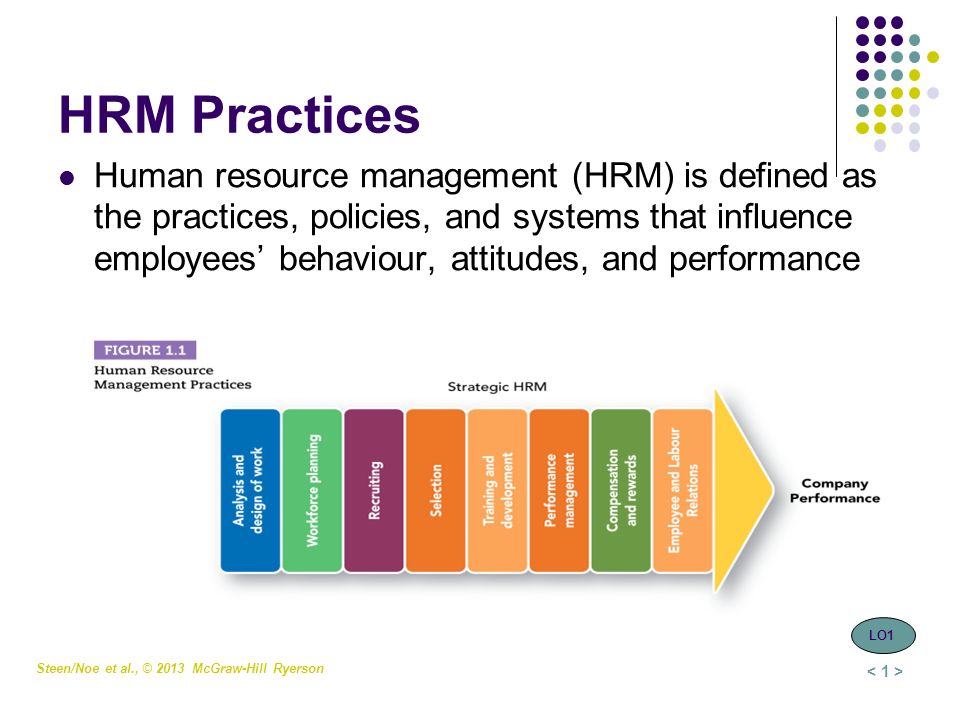
- When pondering an expansion of employee payroll, business owner needs to honestly assess the status of your organization.
- Are current employees being utilized appropriately?
- Are current production methods effective?
- Can the needs of the business be met through an arrangement with an outside contractor or some other means?
- Are you, as the owner, spending your time appropriately?
- Any personnel change should be considered an opportunity for rethinking your organizational structure. You need to match the talents of prospective employees with the company’s needs. Efforts to manage this can be accomplished in a much more effective fashion if the small business owner devotes energy to defining the job and actively taking part in the recruitment process. The result of this process is known as job description.
The human resource management task does not end with the creation of a detailed job description and the selection of a suitable employee. Indeed, the hiring process marks the beginning of HRM for any small business owner. As an HR consultant, we strongly urge even the most modest of business enterprises to implement and document policies regarding human resource issues.
Here is where the Employee Handbook comes to play. Every organization needs an Employee Handbook.
Most small enterprises can’t afford even a fledgling personnel department during the first few years of business operation, nevertheless, a large mass of personnel forms and data generally accumulates rather rapidly from the very beginning. And this is the reason why structure is extremely important when any business is just starting out. To hold problems to a minimum, specific personnel policies should be established as early as possible.
These become useful guides in all areas: recruitment and selection, compensation plan and employee benefits, training, promotions and terminations, and the like. Depending on the nature of the business enterprise (and the owner’s own comfort zone), the owner can even involve his employees in this endeavor. In any case, a carefully considered employee handbook or personnel manual can be an invaluable tool in ensuring that the small business owner and his or her employees are on the same page. Moreover, a written record can lend a small business some protection in the event that its management or operating procedures are questioned in the legal arena.
Some small business owners also need to consider training and other development needs in managing their enterprise’s employees. The need for such educational supplements can range dramatically.
A restuarant owner, for instance, may not need to devote much of his resources to employee training, but a firm that provides software and technology services to commercial clients may need to implement a system of continuing education for it’s employees in order to remain viable.
Finally, small business owner needs to establish and maintain a productive working atmosphere for his or her work force. Employees are far more likely to be productive assets to your company if they feel that they are treated fairly

 AGNC
AGNC 