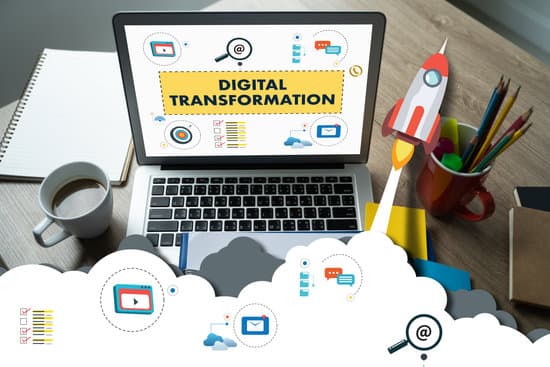
The intersection of digital transformation and AI is reshaping how forward-thinking organizations attract, onboard, and manage talent. What was once a back-office support function is now the forefront of strategic innovation, and HR professionals are being called to lead the charge.
What do we mean by Digital Transformation and Artificial Intelligence (AI)?
Digital transformation is the process of integrating digital technologies to every aspect of a business, fundamentally change how companies do business to deliver value to customers and meet evolving market demands. It also calls for rethinking an organization’s culture, processes and employee experiences to ensure they align with and benefit from these technologies.It isn’t just about automation, it’s about elevating the human experience.
Artificial Intelligence (AI) simply put, refers to the ability of computers and machines to mimic human capabilities such as reasoning, problem solving, decision making, creativity and autonomy.
In the HR context, AI helps streamline repetitive tasks, allowing them to focus on high-impact, people-centric work like employee engagement, leadership, development and organisational culture. And when done right, it creates a workplace that’s not only more efficient—but more human.
The truth is, digital transformation and AI aren’t here to replace HR—they’re here to enhance HR.
So how can HR professionals begin to embrace and build skills needed to thrive in this new era?
Truth be told, Al and digital transformation are here to stay, and the sooner HR professionals embrace this shift, the more confident, and essential, they begin to build the skills needed in shaping the future of work.
And to do this, here is how are some few ways they can begin:

- Shift the Mindset from threat to opportunity
HR must see AI not as a competitor but as a collaborator. While it can take over administrative tasks, it can’t replicate empathy, ethical judgement or even strategic vision; all of which are core to HR. By helping to free up manual tasks, HR team gain more time to focus on culture-building, leadership development, and employee experience – the work that really moves the needle.
- Learn the Digital language
No, you don’t need to become a developer, but you should understand the basic well enough to drive the conversation. Start by:
- Familiarizing yourself with key terms like machine learning, predictive analytics, automation etc
- Attending webinars, online courses
- Reading up on HR tech trends such as what tools are being used, and how they’re transforming roles.
- Partner with tech, don’t compete with it
- Collaboration is key. Lean into cross-functional partnerships such as:
- Working with IT and data teams to understand how systems are built and where HR fits into it all
- Be a champion for ethical and transparent AI, especially in sensitive areas like hiring, performance reviews.
- Lead conversations around digital ethics, governance and employee trust.
- Start small and build confidence
- No need to overhaul your toolkit overnight, begin with:
- Test low-risk, high-impact solutions like chatbots for candidate inquiries or AI tools that can scan CVs
- Using people analytics platforms to monitor attrition risk or engagement dips
- Introducing digital onboarding journeys or AI-curated learning paths.
The goal is to experiment, measure and evolve, without overwhelming yourself and your team.
- Build the Future-ready HR skillset
- To be a forward-thinking HR professional, we need to cultivate:
- Digital literacy
- Data storytelling (not just what the data says, but why it matters)
- Change leadership
- Design thinking (for reimagining talent journeys)
- Emotional intelligence (to balance the human with the digital)
Final thought. The future of HR isn’t less human. It is more human, powered by technology. Those who lead this shift will be the professionals who say, “Let me learn how to use this tool”, and not those who would say, “This tool will replace me”. So.. which one will you be?
Do you need a future-proof HR strategy?

 AGNC
AGNC 